Best Camping Hammocks for Backpacking and Outdoors in October 2026
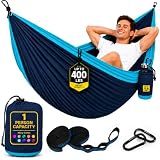
Durable Hammock 400 lb Capacity, Nylon Camping Hammock Chair - Double or Single Sizes w/Tree Straps and Attached Carry Bag - Portable for Travel/Backpacking/Beach/Backyard (Medium, Blue & Light Blue)
- COZY CAMPING COMFORT: LIGHTWEIGHT HAMMOCK GREAT FOR STARGAZING!
- DURABLE DESIGN: SUPPORTS 400-500 LBS; PERFECT FOR SINGLES OR COUPLES.
- QUICK SETUP: READY IN JUST MINUTES WITH INCLUDED STRAPS AND GEAR!


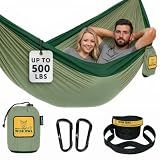
Wise Owl Outfitters Camping Hammock – up to 500lbs Portable Hammock with Tree Straps - Travel, Backpacking, Hiking, Outdoors Camping Gear - Single or Double
-
ULTIMATE COMFORT ANYWHERE: GENEROUSLY SIZED FOR 2, PERFECT FOR RELAXATION OUTDOORS.
-
STRONG & DURABLE: SUPPORTS UP TO 500 LBS WITH REINFORCED SEAMS FOR STABILITY.
-
LIGHTWEIGHT & PORTABLE: WEIGHS ONLY 24 OZ, FITS EASILY IN ANY BACKPACK.
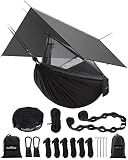
Sunyear Hammock Camping with Rain Fly Tarp and Net, Portable Camping Hammock Double Tree Hammock Outdoor Indoor Backpacking Travel & Survival, 2 Tree Straps,100% Waterproof Black Bundle
-
ALL-IN-ONE GEAR: ENJOY SAFE, DRY CAMPING WITH OUR COMPLETE HAMMOCK KIT!
-
BUILT TO LAST: DURABLE MATERIALS ENSURE A RELIABLE, WORRY-FREE EXPERIENCE.
-
VERSATILE & PORTABLE: EASILY ADJUST AND CARRY LIGHTWEIGHT GEAR ANYWHERE!
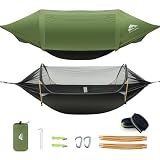
Rivenlo Camping Hammock Tent with Mosquito Net & RainFly, 3 in 1 Waterproof Portable Sleeping Hammock Bug Backpacker Lightweight Outdoor Gear Swing for Hiking Travel Patio Expedition(Dark Green)
- VERSATILE 3-IN-1: USE AS HAMMOCK, TENT, OR TREE HAMMOCK ANYTIME!
- EFFORTLESS SETUP: QUICK ASSEMBLY WITH INCLUDED POLES AND STRAPS.
- LIGHTWEIGHT & PORTABLE: WEIGHS JUST 1.2KG, PERFECT FOR OUTDOOR ADVENTURES!
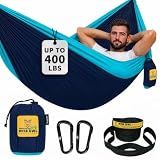
Wise Owl Outfitters Camping Hammock – up to 500lbs Portable Hammock with Tree Straps - Travel, Backpacking, Hiking, Outdoors Camping Gear - Single or Double
- ULTIMATE COMFORT & SPACE: 9 FT X 4.5 FT DESIGN FOR RELAXING SOLO.
- DURABLE & SUPPORTIVE: HOLDS UP TO 400 LBS WITHOUT SAGGING OR WEAR.
- QUICK SETUP ANYWHERE: ALL-IN-ONE KIT INCLUDES STRAPS & CARABINERS.
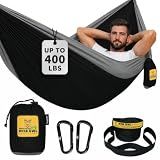
Wise Owl Outfitters Hammock for Camping Single Hammocks Gear for The Outdoors Backpacking Survival or Travel - Portable Lightweight Parachute Nylon SO Black & Grey
-
ULTIMATE COMFORT ANYWHERE – ENJOY COZY SUPPORT FOR ALL OUTDOOR ADVENTURES.
-
BUILT TO LAST – DURABLE NYLON SUPPORTS UP TO 400 LBS WITHOUT SAGGING.
-
EASY SETUP & PACKABLE – LIGHTWEIGHT, COMPACT HAMMOCK SETS UP IN MINUTES.
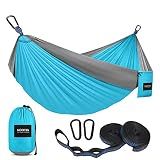
Kootek Camping Hammock 400lbs Capacity Outdoor Camping Essentials, Single | Outside&Indoors, Tree‑Safe Straps, Included Carry Bag, 210T Parachute Nylon, Heavy‑Duty Carabiners, Lightweight & Quick Setup
-
ULTIMATE COMFORT: DURABLE NYLON HAMMOCK PROVIDES RELAXATION ANYWHERE.
-
QUICK SETUP: TREE-FRIENDLY STRAPS FOR EASY, ADJUSTABLE INSTALLATION.
-
LIGHTWEIGHT & PORTABLE: PACKS SMALL AT 1.8 LBS FOR TRAVEL CONVENIENCE.
Complete Guide to Hammock Tent Camping in 2026 starts with one hard truth: a bad overnight setup feels miserable by 2 a.m., not at sunset. If your ridgeline sags, your underquilt shifts, or your tree straps are too narrow, you’ll notice it when your shoulders go numb and cold air starts stealing heat from underneath you.
That’s also why hammock tent camping keeps growing. For many backcountry campers, a well-set camping hammock tent means flatter sleep on uneven ground, faster setup in wet conditions, and fewer site limitations than a traditional tent-provided you know how to choose the right suspension, tarp coverage, and insulation.
You’ll get exactly that here: what hammock camping is, who it works for, how to buy the right gear by budget, what review patterns actually matter, and how to avoid the expensive mistakes that make beginners quit after one trip.
How we select products: Our team reviews outdoor gear daily, analyzing customer ratings (4.0+ stars minimum), pricing trends, material specs, warranty terms, and real buyer feedback to surface setups that deliver practical value. For this Complete Guide to Hammock Tent Camping in 2026, we focused on sleep comfort, weather protection, carry weight, suspension safety, and beginner-friendly setup speed.
What is hammock tent camping, and why are more campers switching in 2026?
Hammock tent camping is sleeping suspended between two anchor points using a gathered-end or bridge-style hammock, usually paired with a rain tarp, bug net, and under-insulation. In practical terms, it’s not just “a hammock for camping”-it’s a modular sleep system that replaces your ground tent, sleeping pad, and sometimes even your camp chair.
The biggest advantage is terrain flexibility. If you’ve ever arrived late and found only rocky, root-covered, or muddy tent pads, camping in a hammock suddenly makes a lot more sense because your sleep surface isn’t tied to perfectly flat ground.
The second advantage is comfort for side-sleepers and people with pressure-point pain. A properly sized hammock camping hammock lets you lie diagonally, which creates a flatter sleeping position than most beginners expect.
That said, it’s not automatically easier. Camping in hammock systems punish poor setup more than tents do. A tarp hung too high, suspension angle steeper than about 30 degrees, or insulation gap under 50°F/10°C can turn a comfortable night into a cold, damp lesson.
Who should actually use a camping hammock tent instead of a ground tent?
The best use case for a camping hammock tent is a camper who sleeps in wooded areas, values comfort over absolute simplicity, and is willing to practice setup before the first overnight trip. If that’s you, a hammock camping tent can outperform a tent in rain, uneven terrain, and shoulder-season comfort.
It’s especially good for:
- Backpackers in forested regions where trees are reliable
- Car campers upgrading comfort without hauling a bulky cot
- Wet-climate campers who want to keep their sleep system off saturated ground
- Campers with back or hip pressure issues from thin sleeping pads
- People who enjoy camping with hammock setups that double as daytime lounging gear
It’s less ideal for above-tree-line trips, desert camping, and crowded campgrounds with strict tree rules. In those situations, a camping tent hammock system may become more work than it’s worth.
What should you look for in a hammock for camping in 2026?
If you buy only on star rating, you’ll miss the details that decide whether you sleep well. The best hammock for camping setup is usually the one that balances length, suspension safety, weather coverage, and insulation-not just the lightest or cheapest kit.
Here are the 5 criteria that matter most.
1. Hammock length: 11 feet is the safest starting point
For most adults, 11 feet is the sweet spot because it creates a flatter diagonal lay than shorter models. Many beginner complaints about shoulder squeeze come from hammocks around 9 to 10 feet, especially for anyone over 5'10".
2. Tree straps should be wide and adjustable
Look for straps at least 1 inch wide, since narrower webbing is more likely to damage bark and may be banned in managed campgrounds. Multiple adjustment points also make camping with a hammock faster when trees aren’t perfectly spaced.
3. Tarp coverage matters more than beginners think
A tarp with good side coverage is the difference between “cozy in rain” and “wet at 3 a.m.” For general three-season use, aim for a tarp that extends well beyond the hammock body and offers enough width to block angled wind-driven rain.
4. Under-insulation is not optional below mild temperatures
This is the part many new hammock campers get wrong. In 50–60°F weather, bottom-side heat loss can feel much colder than expected because compressed sleeping bag insulation under your body stops trapping warm air effectively.
5. Weight rating should include a comfort margin
Don’t shop at your exact body weight. A useful rule is to leave at least a 20–25% buffer for clothing, movement, and long-term material fatigue.
Definitive recommendation: for most beginners, the best overall starting setup is an 11-foot hammock camping tent system with a bug net, full-coverage tarp, 1-inch tree straps, and under-insulation rated at least 10 degrees colder than your forecast low.
Our selection criteria: how we evaluated camping hammock tents and accessories
For this Complete Guide to Hammock Tent Camping in 2026, we looked at the same patterns experienced campers obsess over after a few trips.
We prioritized:
- Customer ratings above 4.2 stars
- High review volume, because products with a few dozen reviews often hide durability issues
- Suspension hardware reliability, especially stitching and buckle wear
- Tarp geometry and storm coverage
- Packed size and trail weight
- Ease of setup in under 10 minutes
- Return-complaint patterns, especially seam failure, strap stretch, and bug-net zipper issues
A useful shortcut: products with strong satisfaction trends usually combine 4.5+ stars and hundreds of reviews, while low-confidence buys tend to cluster under 4.2 stars with repeated complaints about sag, cold spots, or ripped storage sleeves.
For broader outdoor buying context, review-aggregation tools like probedex.ai can help you spot whether a gear site has credible depth or thin affiliate-style recommendations.
Best budget approach under entry-level spend: what beginners should prioritize first
If your budget is tight, don’t overspend on extras before you lock in the core sleep system. The smartest low-cost path into hammock tent camping is a simple, proven kit with dependable suspension and weather protection.
Prioritize these first:
- 11-foot hammock body
- Tree-safe straps
- Bug net
- Rain tarp
- Basic bottom insulation
If you skip one item, don’t skip insulation. A cheap setup with under-insulation usually sleeps better than a more expensive kit without it.
One practical buying pattern: beginners often get better results from complete camping hammock tents bundles than from mixing unrelated pieces, because compatibility issues-ridgeline length, net fit, tarp coverage-cause a disproportionate share of first-trip frustration. If you want a beginner-focused shortlist, learniverse.writeas.com is a useful reference point.
What’s the $25–$50 sweet spot equivalent in hammock camping gear?
In hammock gear, the “sweet spot” isn’t about a literal price cap on the full system. It’s where component quality starts improving noticeably-especially in fabric feel, stitching consistency, strap adjustability, and tarp coverage-without jumping into ultralight niche territory.
At this middle tier, you should expect:
- Softer, stronger fabric with less calf ridge
- Better bug-net zippers and fewer snag complaints
- Wider tarp coverage for real storm use
- More durable suspension stitching
- Smaller packed volume
This is also where camping hammock chair and hammock camping chairs accessories start appearing in product families, though they’re optional. For overnight comfort, those add-ons matter far less than tarp size and insulation performance.
Are premium hammock camping tents worth it for frequent campers?
Yes-premium camping hammock tents are worth it if you camp at least 8 to 10 nights per year, especially in variable weather. The biggest upgrades aren’t luxury features; they’re lower weight, faster setup, better storm pitch options, and fewer cold gaps.
Frequent campers benefit most from:
- Lighter suspension and tarp fabrics
- Better weather resistance in sustained rain
- Improved ventilation that reduces condensation
- More refined bug-net integration
- Longer-lasting stitching and hardware
For buyers comparing top-rated options, curated lists like Writeas can help you narrow the field before you compare dimensions and insulation compatibility.
How to set up a hammock for camping so you actually sleep flat
The best beginner setup is simple: hang the suspension at roughly 30 degrees, keep seat height around chair height, and lie diagonally across the hammock body instead of straight down the middle.
Follow these steps:
- Choose healthy trees about 12–18 feet apart.
- Wrap straps at about head height on each tree.
- Attach suspension so the hammock sags gently, not tight like a guitar string.
- Aim for a seated height that lets your feet touch the ground easily.
- Add your tarp before dark, especially if weather can change.
- Install under-insulation snugly but not compressed.
- Lie diagonally to flatten your body position.
Pro tip: a too-tight hang increases shoulder squeeze and stress on anchor points. Counterintuitively, a bit more sag usually creates a better sleeping angle and a safer load profile.
If your trip includes cooking in wet conditions, pairing your shelter plan with a compact stove matters almost as much as sleep comfort. A gear roundup like Writeas can help you round out a practical camp setup.
What the reviews say: red flags that predict a bad hammock camping experience
After enough review analysis, the same warning signs keep showing up. Most bad experiences in hammock camping are not random-they’re predictable from product details and complaint patterns.
Watch for these red flags:
- Ratings below 4.2 stars with repeated comfort complaints
- Reports of strap slippage or stitching separation
- Tarp reviews mentioning misting, seam leaks, or poor side coverage
- Bug-net complaints about zipper failure in the first season
- “Too short for comfortable lay” comments from average-height users
- Overly optimistic weight claims without packed dimensions
- Suspension hardware that bends or squeaks under load
A strong rule of thumb: if multiple reviews mention “cold from underneath,” that’s usually not user error alone-it often signals poor insulation design or unrealistic marketing around all-in-one kits.
What gear works best with a hammock camping tent in bad weather?
In rain and shoulder-season temperatures, your tarp and insulation matter more than the hammock body itself. The best bad-weather companion to a hammock camping tent is a wide tarp with low storm pitch options and bottom insulation matched to forecast lows.
Your ideal support kit includes:
- Full-coverage tarp with strong tie-out points
- Under-insulation rated colder than expected nighttime temps
- Top quilt or sleeping bag appropriate for season
- Structural ridgeline organizer for essentials
- Dry bag for clothing and sleep layers
For camp lighting after dark, Fitprops offers useful comparisons, while Topminisite covers backup solar lighting for longer trips.
💡 Did you know: even in 60°F air, moving wind under a hammock can accelerate convective heat loss enough that many campers feel chilled from below despite using a warm sleeping bag on top.
Is camping in a hammock better than a tent for most people?
For wooded camping, camping in a hammock is often better for comfort, site flexibility, and wet-ground performance. For exposed alpine routes, family camping with multiple sleepers, or treeless terrain, a ground tent is usually the better tool.
Here’s the simplest comparison:
| Factor | Hammock setup | Ground tent |
|---|---|---|
| Uneven terrain | Excellent | Limited |
| Wet ground | Excellent | Moderate |
| Setup learning curve | Moderate | Easier |
| Cold-weather learning curve | Higher | Lower |
| Side-sleeper comfort | Often better | Varies |
| Treeless camping | Poor | Excellent |
| Packed modularity | High | Moderate |
Definitive recommendation: if at least 70% of your trips are in forested campsites, a hammock system is usually the better long-term comfort upgrade than another entry-level tent.
For an example of how external content sometimes gets republished or routed through odd URLs, you may also run into pages like this full article-which is exactly why source quality and topical relevance matter when you research gear.
The single most important buying decision in this Complete Guide to Hammock Tent Camping in 2026
If you remember one thing from this Complete Guide to Hammock Tent Camping in 2026, make it this: buy for overnight warmth and fit, not just hanging comfort at camp. An 11-foot hammock, tree-safe suspension, storm-worthy tarp, and bottom insulation matched to your real temperatures will improve your experience more than any premium accessory ever will.
Frequently Asked Questions
how to set up a hammock for camping
Use two healthy trees about 12–18 feet apart, hang the straps at roughly head height, and aim for a suspension angle near 30 degrees. Then lie diagonally across the hammock instead of straight down the center so your body rests flatter.
what is a camping hammock tent
A camping hammock tent is a suspended sleep system that combines a hammock body with shelter components like a tarp and bug net. Many setups also include under-insulation, because heat loss from below becomes noticeable even in mild temperatures.
is hammock camping worth it for beginners
Yes, hammock camping is worth it for beginners if most of your trips are in wooded areas and you practice setup before your first overnight. The comfort payoff is real, but only if you don’t skip tarp coverage and bottom insulation.
can you sleep in a hammock every night while camping
Yes, many campers sleep in a hammock every night on multi-day trips as long as the setup fits their body size and the insulation matches the weather. Problems usually come from short hammocks, tight hangs, or inadequate protection from cold air underneath.
what is the best hammock for camping if you want comfort and value
The best hammock for camping for most people is an 11-foot model with tree-safe straps, integrated bug protection, a full-coverage tarp, and insulation rated below your expected low temperature. That combination consistently delivers the best balance of comfort, storm protection, and beginner-friendly setup.