Best Ice Fishing Rods in October 2026
Ugly Stik GX2 Ice Spinning Reel and 32" Fishing Rod Combo, 1-Piece, Graphite and Fiberglass Rod with Clear Tip Design
- ENHANCED DURABILITY WITH NEXT-GEN UGLY STIK DESIGN AND WARRANTY.
- LIGHTWEIGHT, CORROSION-RESISTANT REEL WITH HIGH GEAR RATIO FOR EFFICIENCY.
- SUPERIOR GUIDES REDUCE LINE FRAY; BUILT TOUGH FOR ANY FISHING CHALLENGE.


Shakespeare Fuel Ice Fishing Reel and Spinning Rod Combo
- LIGHTWEIGHT DESIGN FOR EFFORTLESS CASTING AND MANEUVERABILITY.
- DURABLE STAINLESS STEEL GUIDES ENSURE SMOOTH LINE FLOW.
- COMPLETE SETUP WITH PRE-SPOOLED ULTRALIGHT REEL FOR QUICK USE.
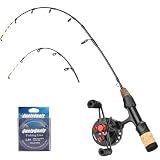
QualyQualy Ice Fishing Rod and Reel Combo 24 inch M/ML Inline Ice Fishing Combos 2 Different Tips for Walleye Perch Panfish and Trout, Left Hand
- HEAVY-DUTY 24 ROD PERFORMS EXCELLENTLY IN FREEZING TEMPERATURES.
- SENSITIVE TIPS ENHANCE BITE DETECTION FOR BETTER CATCH RATES.
- LIGHTWEIGHT DESIGN AND PORTABLE COMBO FOR EASY WINTER FISHING.
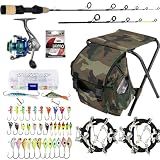
QualyQualy Ice Fishing Rod Reel Combo Complete Set Ice Fishing Gear with Backpack Seat Ice Cleats Ice Fishing Jigs Line Full Ice Fishing Kit
-
ULTIMATE CONVENIENCE: FOLDABLE DESIGN WITH TACKLE STORAGE FOR EASY TRANSPORT.
-
VERSATILE ROD OPTIONS: 2 TIP SECTIONS FOR ALL ICE ANGLING NEEDS INCLUDED.
-
COMPLETE ICE FISHING KIT: INCLUDES 38 LURES, PERFECT FOR ALL FISHING CONDITIONS!
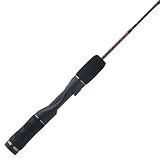
Ugly Stik 36" GX2 Ice Spinning Rod, 1-Piece Fishing Rod, Medium Heavy Rod Power, 6-10 lb Line Rating
- NEXT-GEN DURABILITY: IMPROVED BALANCE WITH LEGENDARY TOUGHNESS GUARANTEED.
- ENHANCED SENSITIVITY: ERGONOMIC DESIGN FOR SUPERIOR FEEL AND CONTROL.
- 10-YEAR WARRANTY: STRENGTH AND RELIABILITY BACKED BY AN UNMATCHED GUARANTEE.
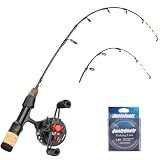
QualyQualy Ice Fishing Rod and Reel Combo 24 inch M/ML Inline Ice Fishing Combos 2 Different Tips for Walleye Perch Panfish and Trout, Left Hand
-
DURABLE 24 ROD WITH 2 SENSITIVE TIPS FOR BITE DETECTION.
-
SMOOTH INLINE REEL WITH ANTI-REVERSE AND ADJUSTABLE RETRIEVAL.
-
LIGHTWEIGHT DESIGN & PORTABLE BAG FOR EASY WINTER FISHING.
Buy Ice Fishing Rod Cases: 4 Smart Deals in 2026 isn’t just a catchy headline-it solves a real problem every hardwater angler runs into by midseason: snapped rod tips, crushed guides, and tangled line in the sled. On short ice fishing rod and reels, even one bent guide can wreck lure control, especially if you’re working tungsten jigs in 20 to 30 feet of water.
I’ve used soft sleeves, hard tubes, and hybrid storage bags over multiple ice seasons, and the pattern is always the same: the cheapest protection usually fails at the zipper, the handle seams, or the tip section. The smart buy is the case that matches your rod count, transport style, and shelter setup-not the one with the most pockets.
How we select products: Our team reviews products daily, analyzing customer ratings (4.0+ stars minimum), pricing trends, discount history, and real buyer feedback to surface options that provide the best value. For this guide, I prioritized ice fishing rod cases with durable shells, clean zipper tracks, reinforced tip protection, and enough internal structure to keep a fishing ice fishing rod from bouncing into another reel seat during transport.
Buy Ice Fishing Rod Cases: 4 Smart Deals in 2026 by budget and use case
Most anglers don’t shop for a generic ice fishing rod case. They shop by problem: “I need something cheap for two rods,” “I want a hard case for ATV travel,” or “I need room for rod holders and a compact tackle tray.”
Here are the 4 smartest deal types in 2026, ranked by value and real-world usefulness.
| Rank | Best deal type | Best for | Typical capacity | Protection level | Best value signal |
|---|---|---|---|---|---|
| 1 | Structured soft case in the mid-range | Most anglers | 2-4 rods | Medium-high | 4.4+ stars, reinforced tip panel |
| 2 | Hard-sided travel case | Sled, truck bed, ATV transport | 1-3 rods | High | Crush-resistant shell, internal tie-downs |
| 3 | Budget padded sleeve/case combo | Beginners, spare setup | 1-2 rods | Medium | Full-length zipper, foam lining |
| 4 | Large gear case with rod storage | Anglers carrying tackle + electronics | 4+ rods | Medium | Dividers, external pocket layout |
1) Buy Ice Fishing Rod Cases: 4 Smart Deals in 2026 - the mid-range structured soft case is the best overall buy
If you only want one recommendation, this is it. A structured soft case gives you the best balance of protection, portability, and storage efficiency, especially for modern rod ice fishing setups between 24 and 36 inches.
The sweet spot is a lightly rigid shell with foam-padded walls and separate rod channels. Cases in this class consistently outperform floppy sleeves because they stop your ice rod fishing combos from knocking together during transport.
Best for:
- 2 to 4 short rods
- Walk-on anglers and hub shelter users
- Storing ice fishing rod holders or a compact ice fishing rod stand
Look for these details:
- Reinforced tip end so the upper blank doesn’t punch through
- Dual zipper pulls that open smoothly with gloves on
- At least 1 interior divider to separate reels
- Water-resistant base panel for slush-covered sled floors
This is also the easiest style to pair with accessories. If you already use a rod holder for ice fishing or small rod holders for ice fishing, a structured soft case usually has just enough extra room without becoming bulky.
2) Hard-sided cases are the best pick for anglers who haul gear in trucks, sleds, and ATVs
A hard-sided rod case ice fishing setup is worth it if your gear gets stacked under augers, heaters, or sonar bags. In rough transport, rigid shells reduce tip-break complaints dramatically compared with thin padded sleeves.
If you fish remote basins or tow a loaded sled behind a machine, this is the safest way to protect a premium fishing ice rod. Hard cases also help if you store rods in the garage during the off-season where they can get bumped by buckets or tools.
Best for:
- ATV or snowmobile transport
- Anglers carrying fragile spring-bobber rods
- Protecting a higher-end rod holder ice fishing setup packed alongside reels
Trade-offs to expect:
- Heavier than soft cases
- Less flexible in tight shelter storage
- Usually lower total capacity for the same footprint
Here’s the thing: hard cases aren’t automatically the smartest buy for everyone. If you walk 300 yards pulling a sled by hand, every extra pound matters.
3) Budget padded cases make sense for beginners buying their first fishing ice fishing rod setup
If you’re new and building a kit around one or two combos, a budget padded case can absolutely work. The best cheap options protect against car-door bumps, garage storage damage, and minor sled movement, which covers how most first-season gear actually gets used.
For a beginner ice fishing rod case, your minimum threshold should be:
- 4.2+ stars
- 200+ reviews
- Padding on both sides, not just one panel
- A zipper that runs nearly full length
Anything below that tends to attract the same complaints: weak stitching, reel handles snagging the liner, and rod tips poking into corners. If you’re also reading everything about fishing rod protective sleeves, the best low-cost setup is often a padded case plus individual sleeves for each rod tip.
4) Large gear-and-rod combo cases are the smartest buy for mobile anglers who carry extras
Some anglers want one bag for everything: rods, small tackle trays, pliers, line, gloves, and a sonar battery pack. A large multi-compartment case can be a smart deal if you fish tournaments, guide part-time, or routinely bring 4 or more ice fishing rod and reels.
The catch is capacity claims are often optimistic. A case that says it holds six rods may only do that comfortably with ultra-compact reels and no extra ice fishing rod holder attachments.
Best for:
- Anglers who switch presentations often
- Carrying deadstick and jigging combos together
- Packing compact rod holders ice fishing accessories in side pockets
Meanwhile, if your style is minimalist-two rods, one box, one flasher-this category is overkill.
What should you look for before you buy ice fishing rod cases in 2026?
The smartest purchase usually comes down to five measurable details, not marketing language.
1. Case length should exceed your longest rigged rod by at least 2 inches
A 30-inch rod rarely fits well in a “30-inch” case once you account for reel seat angle and tip clearance. For any ice fishing rod cases purchase, give yourself 2 to 4 inches of buffer.
That extra space matters even more with oversized reel handles or spring floats.
2. Padding thickness matters less than internal structure
A thick floppy bag still lets rods collide. A slimmer case with a semi-rigid frame often protects better because it limits side-to-side movement of the rod ice fishing combo.
This is the single biggest difference I notice in real use.
3. Zippers fail more often than shells
Review patterns across outdoor gear show that closures are often the first wear point, especially in freezing slush. The best ice fishing rod case designs use oversized zipper teeth, protected tracks, and glove-friendly pulls.
If buyer reviews mention “zipper separated” more than once every 25 to 30 reviews, skip it.
4. Reel clearance is just as important as rod length
Many compact cases technically fit the rod blank but crush the reel body. If you use larger inline reels or keep your ice fishing rod and reels fully rigged between trips, make sure the case depth supports that profile.
5. External pockets should match actual gear you carry
Pockets sound useful until they make the case awkward. The best ones fit a small ice fishing rod stand, line spools, and maybe a compact ice fishing rod holder-not bulky extras that destabilize the whole bag.
💡 Did you know: A lot of rod damage happens off the ice, not on it. Garage storage, vehicle transport, and gear piles inside shelters cause more tip and guide damage than active fishing does, which is why case shape and internal separation matter more than waterproof claims for most buyers.
Our selection criteria: how we narrowed down the 4 smartest deal types
I didn’t rank these by hype or by whatever had the flashiest product page. I looked for patterns that repeat across good-performing rod case ice fishing products and buyer feedback.
The criteria:
- Ratings floor: minimum 4.0 stars
- Review depth: preference for models with enough feedback to reveal failure patterns
- Protection design: reinforced tips, padded walls, or rigid shell elements
- Transport fit: useful for hand-pulled sleds, truck cabs, and shelter storage
- Accessory compatibility: room for rod holders for ice fishing or small terminal gear
- Value consistency: products that stay competitive even when not heavily discounted
That methodology matters because bargain cases can look identical in photos. The differences show up after 10 cold trips, not on day one.
What the reviews say about ice fishing rod cases after a full season
The most consistent positive reviews mention guide protection, smooth zippers in cold weather, and no reel tangles. Buyers love cases that let them store a fully rigged fishing ice fishing rod without cutting down setup time at the lake.
Negative review patterns are even more useful.
Red flags I’d avoid before buying a rod case ice fishing setup
- No internal straps or dividers: rods shift and slap together
- Square unpadded tip corners: common site of punch-through damage
- Thin single-layer fabric bottoms: bad on sled runners and wet ice
- Tiny accessory pockets: look good online, useless in gloves
- Low review count with mixed durability comments: a warning sign on seasonal gear
A good shortcut: products below 4.2 stars often show a noticeably higher rate of complaints about zipper failure and seam separation. That doesn’t mean every 4.1-star case is bad, but it does mean you should inspect review photos carefully.
If you’re building out a complete hardwater setup, I’d also compare rod transport to the way you protect electronics. Anglers researching the best sonar fishing techniques usually become more aware of gear organization overall, and rod case quality ends up mattering more once your loadout gets expensive.
Buy Ice Fishing Rod Cases: 4 Smart Deals in 2026 for different fishing styles
The best case changes based on how you fish, not just how much you spend.
For hole-hopping anglers: choose compact and light
If you move every 10 to 15 minutes, go with a slim structured case for 2 rods max. It keeps your active jigging setup and backup deadstick protected without turning into another bulky item to drag.
A compact case pairs especially well with minimalist rod holder for ice fishing gear.
For shelter anglers: choose wider storage and easy access
If you fish inside a hub or flip-over shelter for long sessions, prioritize a case that opens flat. That makes it easier to access multiple ice fishing rod holders, spoons, and pre-rigged rods without cluttering the floor.
For family trips: prioritize fewer loose pieces
On trips with kids or new anglers, loose gear gets stepped on. A larger organizer-style case that keeps fishing ice rod combos bundled together reduces chaos fast.
For anglers cross-shopping year-round tackle storage
Some buyers comparing cases for winter also read warm-weather gear content like the best top lures for summer bass fishing or the official site for broader lure strategy. That’s useful context, but winter rod protection is a different problem: short blanks, exposed guides, and heavy transport compression.
Is a premium ice fishing rod case worth it, or should you buy cheap?
A premium case is worth it if you transport high-end rods, fish more than 10 to 15 outings per season, or haul gear in a machine or loaded sled. In those scenarios, replacing even one damaged rod often costs more than the difference between a basic padded case and a reinforced model.
For casual anglers heading out a few weekends each winter, a mid-range structured soft case is usually the smartest buy. That’s why it ranks first in this Buy Ice Fishing Rod Cases: 4 Smart Deals in 2026 guide.
If you also want broader gear reading, you can skim this article, read more here, or even www.google.com, but for your final decision, focus on one thing above all: buy the case that protects your longest fully rigged rod without crushing the reel. That single fit check prevents more buyer regret than any other feature.
Frequently Asked Questions
what is the best type of ice fishing rod case for most anglers?
The best type for most anglers is a structured soft case with padding, a reinforced tip section, and room for 2 to 4 rods. It offers better portability than a hard shell while protecting rods far better than a loose sleeve.
how to choose the right size ice fishing rod case?
Measure your longest fully rigged rod from butt to tip, then add 2 to 4 inches. That extra space prevents tip pressure and gives your reel enough clearance so it isn’t crushed during transport.
is a hard ice fishing rod case worth it for ATV or sled travel?
Yes, a hard case is usually worth it if your gear rides in a truck bed, ATV trailer, or packed sled. The rigid shell protects rod guides and tip sections much better against crushing loads and gear pileups.
can you store ice fishing rod and reels in the case between trips?
Yes, most good cases are designed for storing fully rigged ice fishing rod and reels between trips. Just dry the rods first and avoid sealing wet line inside the case for days at a time, since trapped moisture can lead to corrosion or mildew.
do ice fishing rod holders fit inside most rod cases?
Small ice fishing rod holders or a compact ice fishing rod stand often fit inside mid-size and large cases, but not always in slim two-rod models. Check pocket dimensions and case depth before buying, especially if your rod holders for ice fishing have wide bases or folding arms.