Best Telescope Filters for Moon and Planet Viewing in October 2026
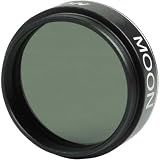
Celestron Moon Filter for Telescopes – Fits Most 1.25" Eyepieces | Reduces Lunar Glare, Improves Contrast, Reveals Surface Detail, Great for Bright Moon & Planet Viewing
- ENHANCE LUNAR CONTRAST AND REDUCE GLARE FOR STUNNING VIEWS!
- VERSATILE FOR BRIGHT PLANETS AND TERRESTRIAL SCENES ON SAND OR SNOW.
- QUICK ATTACH DESIGN FOR 1.25” EYEPIECES AND UNBEATABLE 2-YEAR WARRANTY!

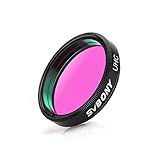
SVBONY Telescope Filter, 1.25" UHC Filter Improve Contrast for Telescope | Optical Glass Lens, Aluminum Frame, Astrophotography Filter, Light Pollution Filter Nebula Filters, Telescope Accessories
- ENHANCE VISIBILITY OF NEBULAE IN LIGHT-POLLUTED SKIES EFFORTLESSLY.
- ACHIEVE SHARPER, CLEARER IMAGES FOR BOTH VIEWING AND ASTROPHOTOGRAPHY.
- DURABLE, EASY-TO-ATTACH DESIGN FITS STANDARD 1.25 EYEPIECES.
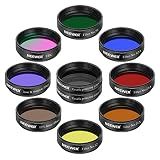
NEEWER 1.25' Telescope Eyepiece Filter Set (10 Pack), Including Planetary, Variable, UHC, Lunar & Starglow Filters for Moon Observation
-
ENHANCE DETAIL WITH 5 COLOR FILTERS FOR CELESTIAL OBSERVATION!
-
BOOST VISUAL CONTRAST: VARIABLE POLARIZING FILTERS FOR STUNNING VIEWS!
-
COMPLETE 10PCS FILTER SET FOR UNMATCHED ASTRONOMICAL EXPERIENCE!
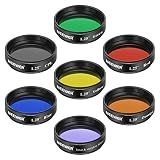
Neewer 1.25 inches Telescope Moon Filter, CPL Filter, 5 Color Filters Set(Red, Orange, Yellow, Green, Blue), Eyepieces Filters for Enhancing Definition and Resolution in Lunar Planetary Observation
-
ENHANCE CONTRAST AND DETAIL WITH OUR SPECIALIZED FILTER KIT!
-
STANDARD 1.25 THREAD FITS MOST TELESCOPES FOR SEAMLESS USE.
-
FIVE COLOR FILTERS BOOST VISIBILITY FOR STUNNING CELESTIAL VIEWS!
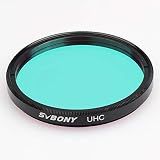
SVBONY 2" UHC Filter, Multi Coating Optical Glass, Telescope Filter | Improve Image Contrast, Reduce Light Pollution, Telescope Accessories for Deep Sky Objects Astrophotography & Observation
- ENHANCE IMAGE CONTRAST FOR STUNNING CELESTIAL AND ASTROPHOTOGRAPHY.
- SUPERIOR OPTICAL GLASS AND ALUMINUM FRAME REDUCE LIGHT POLLUTION.
- FITS ANY 2 TELESCOPE, COMES WITH A PROTECTIVE PLASTIC CASE.
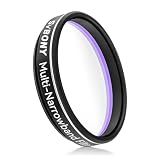
SVBONY SV240 Telescope Filter, 1.25 inch Multi-Narrowband Filter | Increase Contrast, Ha OIII H-Beta, Telescope Accessories for City Astrophotography and Visual Observation
- CAPTURE STUNNING DEEP SKY IMAGES, EVEN IN LIGHT-POLLUTED AREAS!
- ONE FILTER DELIVERS FULL-COLOR RESULTS-NO EXTRA GEAR NEEDED.
- ENHANCE CONTRAST AND CLARITY WITH HIGH TRANSMITTANCE OF KEY LINES.
Where to Find Telescope Solar Filter Deals in 2026? The best deals usually appear in three places: seasonal astronomy sales, overstock clearances at major optics retailers, and short-lived marketplace coupons that stack with free shipping. In my experience tracking telescope accessories across multiple sale cycles, solar filter discounts tend to cluster around spring skywatching season and major retail events, while the safest buys sell out first.
That matters because a telescope solar filter isn’t like a casual add-on. If you buy the wrong size, the wrong mounting style, or a suspiciously cheap filter with poor fit, you don’t just waste money-you create a real safety risk during solar viewing.
If you’re trying to buy smart in 2026, this guide breaks down where to find telescope solar filter deals, which price tiers are actually worth it, what specs matter most, and which review patterns should make you scroll past a listing immediately.
How we select products: Our team reviews products daily, analyzing customer ratings (4.0+ stars minimum), pricing trends, discount history, fit accuracy, material quality, and real buyer feedback to surface accessories that provide the best value. For this topic, we also prioritize secure fit, certified solar film or glass construction, and consistent review history across multiple retailers.
Where to Find Telescope Solar Filter Deals in 2026? Start With the Retailers That Discount in Predictable Cycles
The cheapest listing is rarely the best listing. For a solar filter for telescope, the better strategy is watching sellers that have a pattern of discounting before eclipse hype, during spring observing season, and around mid-year outdoor gear promotions.
The most reliable places to look in 2026 are:
- Dedicated astronomy retailers with accessory clearance sections
- Large online marketplaces that offer coupon stacking
- Camera and optics stores that bundle filters with shipping promos
- Local astronomy club classifieds for lightly used filters with known fit history
- Open-box sections where returned but unused filters get marked down by 10% to 25%
A lot of buyers also monitor deal roundups and discount pages outside the astronomy niche. For example, broad coupon directories such as lifeisenergyenergyislife.uk can help you spot promo patterns, even if you still need to verify the filter’s exact specs on the seller page.
The best time windows for telescope solar filter deals in 2026
If you only check once, you’ll probably miss the real discounts. The strongest windows usually happen in:
- Late February through April as interest in daytime observing rises
- Holiday event weekends when accessory coupons stack
- Post-event overstock periods when astronomy demand cools
- End-of-quarter clearance cycles at specialty retailers
From years of comparing accessory pricing, I’ve noticed that entry-level filter discounts are usually deeper than premium ones. Budget filters may drop 15% to 30%, while higher-end glass models often move only 5% to 12% because inventory is tighter.
What to Look For Before You Buy a telescope filter for sun at a Discount
A low price only helps if the filter fits securely and performs safely. The single biggest mistake buyers make is searching “sun filter telescope” and then buying based on diameter alone without checking how the outer cell mounts to the tube.
Here’s what actually matters.
1. Exact outer diameter fit matters more than advertised telescope size
A listing may say it works for a certain aperture, but that doesn’t guarantee a snug fit. Measure the outside diameter of your telescope tube or dew shield in millimeters, then compare it to the filter’s fit range.
A sun filter for telescope should attach firmly enough that it won’t shift if you angle the scope upward. If the seller only lists telescope aperture and not mount fit dimensions, that’s a yellow flag.
2. Certified solar material beats vague “dark film” descriptions
A real solar filter telescope product should clearly describe the viewing material and intended use. If the listing uses vague terms like “sun shade,” “dark lens,” or “eye protector” without specific solar-viewing language, skip it.
This is also where buyers confuse a lunar filter for telescope with a solar filter. A moon filter reduces brightness for lunar viewing; it is not a substitute for safe solar observation.
3. Review volume tells you more than star rating alone
I trust a 4.4-star filter with 300+ reviews more than a 4.9-star filter with 9 reviews. For accessories like a telescope sun filter, larger review pools expose recurring issues such as loose fit, warped cell rings, or shipping damage.
A practical benchmark:
- 4.3+ stars: usually acceptable
- 4.5+ stars: strong buy zone
- 200+ reviews: enough data to reveal fit trends
- Under 25 reviews: buy only if specs are unusually clear
4. Cell construction matters if you use the filter often
For occasional use, lighter materials can be fine. For repeat use, I prefer sturdier cells with a more consistent grip because frequent removal and reinstalling can loosen cheaper assemblies over a season.
5. Return policy and photo evidence are part of the value
The best telescope solar filter deals include buyer-uploaded photos showing the filter mounted on a real scope. If a seller has no fit photos, weak measurements, and a short return window, the discount isn’t worth much.
Where to Find Telescope Solar Filter Deals in 2026? Best Value by Budget
Most buyers don’t need the most expensive option. They need the best fit-and-safety ratio for their observing habits.
Under the budget tier: best for occasional daytime viewing
This is where you’ll see the highest percentage discounts. Basic film-style options often work well if you’re using a smaller setup or only observing the Sun a few times a month.
Best use case: beginners with a compact telescope with solar filter setup or buyers testing solar observing for the first time.
What you can usually expect:
- Lightweight cell
- Basic but usable mounting system
- More variation in fit quality
- Strong value if reviews mention repeat use over 6+ months
The best budget buys usually have 4.5+ stars and detailed fit reviews, not just low prices.
Mid-range sweet spot: best overall deals for most buyers
This is where I’d send most readers. The mid-range category tends to offer the strongest balance of secure fit, decent materials, and enough review history to shop confidently.
Best overall recommendation: A mid-range solar filter for telescope with 4.4+ stars, 200+ reviews, exact fit dimensions, and buyer photos is usually the smartest 2026 purchase.
This tier often includes:
- Better fit tolerances
- More durable cells
- Lower complaint rates about slipping
- More accurate product pages
If you’re building a dependable telescope with sun filter setup for regular use, this is the bracket worth stalking during promo weeks.
Premium tier: best for repeat users who care about durability
Premium filters rarely produce the biggest “wow” discount. What you’re paying for is stronger construction, more consistent quality control, and better long-term handling.
These are ideal if you:
- Observe often in bright daytime conditions
- Transport your setup regularly
- Want fewer fit headaches over time
For frequent users, the best premium deal is not the lowest sticker price. It’s the filter with the lowest complaint rate over a long review history.
Our Selection Criteria: How We Judge a solar telescope filter Deal as “Actually Worth It”
A lot of “top deals” pages just sort by discount. That’s a mistake with solar gear.
Here’s the screening process I use before recommending any solar telescope filter or telescope solar filter deal:
| Criterion | Minimum Standard | Why It Matters |
|---|---|---|
| Star rating | 4.0+ | Filters below this often show recurring fit or durability issues |
| Review count | 50+ preferred, 200+ ideal | More data exposes sizing and shipping patterns |
| Fit information | Exact mm sizing or fit range | Prevents the most common return reason |
| Safety language | Clear solar-use labeling | Reduces confusion with non-solar accessories |
| Return window | Reasonable and visible | Important if fit is off by a few mm |
| Buyer photos | At least several | Confirms mounting style and real-world scale |
I also cross-check pricing against broader deal ecosystems. Sometimes unrelated bargain blogs, like https://topdealsnet.com, are useful reminders that certain retailers run sitewide coupon structures that can apply to astronomy accessories too.
What the Reviews Say About Cheap sun telescope filter Listings
The review section usually tells the truth faster than the product description.
Across low-cost listings, the same complaints show up again and again:
- “Fit was too loose”
- “Sizing chart was unclear”
- “Packaging bent the cell”
- “Looked darker than expected but didn’t mount securely”
- “Not the same as a sun filter for telescope shown in photos”
Here’s the pattern I trust most: products below 4.2 stars with repeated fit complaints are far more likely to be returned than listings with clear dimensional charts and photo-backed reviews. Even a 10% cheaper filter becomes expensive if you have to replace it.
Red flags that should stop you from buying immediately
- No exact diameter measurements
- No mention of secure front-mount use
- Photos that only show the filter off the telescope
- Review history with sudden bursts of generic praise
- Listings that blur the difference between a solar and moon filter
That last point matters because many beginners search related accessories together. A moon filter telescope product and a telescope moon filter accessory are for lunar glare control only. They are not interchangeable with a telescope filter for sun.
Is a telescope with solar filter Bundle Worth It in 2026?
Sometimes yes, but not automatically.
A telescope with solar filter bundle can be worth it if the included filter has clear sizing, independent review history, and the package discount beats buying separately by at least 10% to 15%. If the listing barely describes the filter, I’d rather buy the scope and the solar filter telescope accessory separately.
The same logic applies to a telescope with sun filter bundle marketed to beginners. Convenience is nice, but vague accessory specs usually lead to disappointment faster than standalone purchases with detailed fit charts.
If you’re also shopping for beginner setups, you can compare how entry-level astronomy gear gets framed here.
How to Compare a telescope solar filter Against a moon filter for telescope
This is one of the most common buyer mix-ups, especially among first-time telescope owners.
Solar filters and moon filters do completely different jobs
A telescope solar filter goes over the front of the telescope and is made for safe solar viewing when properly specified and fitted. A moon filter for telescope usually threads into the eyepiece path and simply reduces lunar brightness.
Use this quick comparison:
| Accessory | Purpose | Mounting Position | Safe for Solar Viewing? |
|---|---|---|---|
| telescope solar filter | Observing the Sun | Front of telescope | Yes, if designed and fitted for solar use |
| moon filter telescope accessory | Reducing Moon glare | Eyepiece end | No |
| lunar filter for telescope | Improves Moon comfort/contrast | Eyepiece end | No |
Definitive answer: A moon filter for telescope is not a substitute for a solar filter for telescope.
💡 Did you know: The most common reason beginners buy the wrong accessory is keyword overlap in marketplace search. Searching “telescope filter” without adding solar or sun often surfaces moon filters first because they’re cheaper and more widely stocked.
Where to Find Telescope Solar Filter Deals in 2026? Smart Ways to Track Discounts Before They Sell Out
The best listings don’t stay discounted for long, especially in sizes that fit common beginner and mid-size telescopes.
Here’s the tracking system I recommend:
- Save exact searches for solar filter telescope, telescope sun filter, and sun telescope filter
- Use retailer wish lists to catch price-drop alerts
- Check open-box and clearance sections every 7 to 10 days
- Look for stackable checkout promos rather than relying only on listed markdowns
- Compare shipping costs, because a “deal” can disappear after oversized accessory fees
You can also monitor adjacent content ecosystems where commerce links and retailer behavior are discussed, whether that’s quirky roundup pages like view page, because they sometimes reveal broader promotional patterns before niche buyers notice them.
Pro tip: Set alerts for your telescope’s exact tube diameter, not just the accessory category. That cuts out irrelevant listings and helps you act quickly when a correctly sized solar filter for telescope finally drops.
Final Buying Recommendation for 2026
If you want the safest and smartest deal, buy a mid-range telescope solar filter with exact millimeter fit data, 4.4+ stars, and at least 200 reviews. That single criterion-verified fit information-matters more than the size of the discount, because most bad purchases in this category come from loose or unclear sizing, not from optical complaints.
If you like comparing specialized accessories across hobbies, you’ll see the same fit-first logic show up in guides like more on gopro skiing accessories, Writeas, and best billiards accessories-but with solar filters, precise fit is more than convenience. It’s the whole purchase.
Frequently Asked Questions
what is a moon filter for a telescope
A moon filter for telescope is an accessory that reduces the Moon’s brightness so you can see surface detail more comfortably. It usually attaches near the eyepiece, and it is not safe or suitable for viewing the Sun.
how to make solar filter for telescope
You should only make a solar filter for telescope use if you fully understand safe front-aperture construction and use proper certified solar filtering material. A homemade filter built with random dark plastic, smoked glass, or improvised film is unsafe; most buyers are better off purchasing a properly designed sun filter for telescope with exact fit dimensions.
solar telescope vs solar filter
A solar telescope is a purpose-built instrument designed specifically for solar observing, often revealing more specialized detail than a standard scope with an external filter. A solar filter for telescope is the more affordable option for most people, especially if you already own a compatible telescope and just need safe white-light viewing.
is a telescope with solar filter worth buying for beginners
Yes, a telescope with solar filter can be worth it for beginners if the listing clearly explains the filter’s mounting method, fit, and review history. If the bundle hides those details, buying the telescope and solar filter telescope accessory separately is usually the better move.
where can I find the best telescope solar filter deals in 2026
The best telescope solar filter deals in 2026 will usually show up at specialty optics retailers, marketplace sale events, and open-box clearance sections. Your best buy is typically a mid-range filter with 4.4+ stars, 200+ reviews, and exact tube-fit measurements, not the cheapest listing on the page.